Buyers November 6, 2025

Closing Costs in Santa Cruz, California for $1 Million Home

In Santa Cruz County, the overall property tax rate is approximately 1.25% of the assessed value of the home, including the base 1% rate set by California’s Proposition 13 plus local voter-approved levies for schools, infrastructure, and other services.​

For a $1,000,000 home, this means the annual property tax would be roughly $12,500 to $12,600. When calculating buyer closing costs, the prepaid portion of property taxes due at closing typically includes a prorated amount covering the period from the closing date to the date taxes are next due. This prepaid tax is a key part of closing costs and budget planning.​

Detailed Buyer Closing Cost Breakdown for $1,000,000 Home Including 1.25% Property Tax

Cost Category Estimated Amount Notes
Loan Origination Fee $8,000 – $10,000 Approx. 0.8%–1% of loan amount
Appraisal Fee $500 – $700 Bank-required property valuation
Credit Report Fee $30 – $50 Part of loan application
Title Insurance (Lender’s) $1,000 – $1,500 Protects lender’s interests
Title Insurance (Owner’s) $2,500 – $3,500 Protects buyer’s ownership rights
Escrow Fees $1,500 – $2,500 Closing services fees
Recording Fees $100 – $300 County recording of deed and documents
Prepaid Property Taxes $5,200 – $6,300 Prorated portion of 1.25% annual property tax; varies by closing date
Prepaid Homeowners Insurance $1,000 – $1,500 Typically first year’s premium prepaid
Underwriting & Processing Fees $500 – $1,000 Lender administrative fees
Survey Fee (if applicable) $300 – $500 Only if required by lender or buyer
Miscellaneous Fees $200 – $500 Notary, courier, wire transfer, etc.

Explanation of Property Tax Inclusion

  • Santa Cruz County’s total property tax rate averages about 1.25%, inclusive of state-mandated base and local levies.

  • Buyers must prepay the portion of property taxes from closing until the next payment due date, usually covering several months of tax liability.

  • For a $1,000,000 home, the yearly tax liability is approximately $12,500; the prepaid portion at closing generally ranges between $5,200 and $6,300 depending on timing.

Including this updated projected 1.25% property tax figure in closing cost estimates gives a more accurate picture for budgeting the total upfront costs when purchasing a home in Santa Cruz County. This detailed breakdown helps buyers avoid surprises and plan their finances wisely during the homebuying process with Realtor Brian Wellikson’s expert guidance.​

Is Loan Origination Fee always due at closing or can it be added to mortgage loan?

Loan origination fees are typically paid upfront at closing rather than being added to the mortgage loan balance. Borrowers usually pay this fee as part of their closing costs to cover the lender’s expenses for processing, underwriting, and funding the loan. The fee generally ranges from 0.5% to 1% of the loan amount and is disclosed in the Loan Estimate and Closing Disclosure forms provided during the loan process.​

However, in some cases, borrowers may be able to negotiate their lender to roll the origination fee into the total loan amount, effectively increasing the loan balance. This option means the borrower pays less out-of-pocket at closing, but the overall loan amount (and therefore monthly mortgage payments) will be higher since the fee is financed over time. Not all lenders offer this option, and it depends on loan type and lender policies.​

In summary:

  • The loan origination fee is most commonly paid at closing as part of upfront closing costs.

  • It can sometimes be financed into the mortgage loan balance if the lender permits, resulting in higher monthly payments.

  • Borrowers should clarify with their lender how the origination fee will be handled and consider the impact on both upfront costs and long-term payments.​

This knowledge helps Santa Cruz homebuyers plan their closing costs more accurately and make informed decisions about loan options with Realtor Brian Wellikson’s guidance.


Buyers November 5, 2025

Measure O: Your Guide to Affordable Housing in the City of Santa Cruz

For first-time homebuyers navigating Santa Cruz’s competitive housing market, understanding available affordable housing opportunities is essential. One important program that supports local affordable housing is Measure O, a voter-approved initiative designed to ensure new residential developments include affordable units for moderate-, low-, and very-low-income households within the City of Santa Cruz. This program expands options for buyers seeking well-priced homes in a highly desirable coastal community.

What Is Measure O?

Measure O, often referred to as the City of Santa Cruz’s Inclusionary Housing Program, imposes a requirement on residential developers to designate a percentage of total units in new housing projects as affordable. These units are preserved by deed restriction to remain affordable long-term, helping maintain a supply of homes accessible to those who meet income qualifications.

This ordinance is codified in the Santa Cruz Municipal Code (Chapter 24.16, Part One) and supported by city policies that regulate affordable housing creation, eligibility verification, and ongoing compliance.

Who Is Eligible for Measure O Units?

Measure O targets a range of income groups, making housing available to:

  • Very-low-income households (earning 50% or less of the Area Median Income, AMI)

  • Low-income households (earning 51-80% of AMI)

  • Moderate-income households (earning up to 120% of AMI)

Applicants must meet income and asset limits and demonstrate the ability to afford monthly housing costs within these income thresholds. Prospective buyers are typically required to submit detailed financial documentation to the Santa Cruz Housing Authority as part of their application and qualification process.

Types of Affordable Housing Under Measure O

Measure O applies to both rental and ownership housing units in new developments. Buyers can find:

  • For-sale affordable condominiums, townhomes, or single-family homes priced below market rate

  • Rental units that offer income-restricted monthly rents

All Measure O units include long-term deed restrictions ensuring affordability for current and future residents, sustaining the program’s mission of inclusive housing.

How Are Measure O Units Allocated?

Because demand typically exceeds supply, new affordable units offered under Measure O are generally distributed through a lottery or random drawing system to maximize fairness. Notification of available units, application windows, and selection results are coordinated by the City’s Housing Authority or designated property managers.

What Are the Benefits of Buying a Measure O Home?

  • Access to affordable housing in a market known for limited inventory and high prices

  • Stable, community-focused neighborhoods close to downtown, transit, and coastal amenities

  • Long-term affordability protections ensure your investment remains accessible and valuable

  • Support services and homeownership education resources offered by local agencies

Important Considerations for Buyers

Measure O units come with certain occupancy and compliance rules. Buyers must:

  • Maintain primary residence status

  • Follow eligibility recertification processes if applicable

  • Understand resale restrictions and right-of-first-refusal clauses

  • Commit to first-time homebuyer education courses offered through the city or partner organizations

How Can Brian Wellikson Help?

Navigating Measure O options can be complex, but with my local knowledge and experience as a Santa Cruz Realtor with Coldwell Banker Realty, I am here to guide you. From eligibility assessment and application support to negotiating offers and compliance understanding, I help first-time buyers access these valuable opportunities while finding homes that fit their needs and lifestyle.


Ready to Explore Measure O Homes in Santa Cruz?

If you are eager to learn more about Measure O affordable homes or want expert assistance navigating the application and buying process, reach out to me, Brian Wellikson. Together, we can find the right path to homeownership in Santa Cruz’s vibrant community—making your dream a reality.


Buyers November 5, 2025

How to Qualify for Measure J in Santa Cruz

Buying your first home in Santa Cruz County can feel exciting yet challenging, especially when navigating affordable housing options like Measure J. This voter-approved affordable housing program has helped many local families achieve homeownership in a highly competitive market. If you’re a first-time buyer wondering how Measure J might work for you, here’s a detailed guide to understanding eligibility, benefits, and the application process.

What Is Measure J?

Measure J, established by Santa Cruz County voters in 1978, requires new housing developments of seven or more units in unincorporated areas to allocate at least 15% of those homes for affordable housing. The goal is to provide moderate-income households with access to quality homes at prices they can manage, supporting community diversity and stability.

How Does Measure J Benefit First-Time Buyers?

For first-time buyers, Measure J offers a pathway to affordable homeownership that might otherwise be out of reach in Santa Cruz’s high-cost market. Whether you’re looking for a newly built condominium or a resale unit, these homes come with resale price restrictions to ensure ongoing affordability, making them a sustainable option for Santa Cruz residents.

Who Qualifies for Measure J?

Eligibility requirements are designed to prioritize individuals and families who live or work in Santa Cruz County and demonstrate financial need based on income limits.

Key qualifications include:

  • First-Time Buyer Status: Applicant must not have previously owned a home.

  • Residency/Employment: Must have lived or worked in Santa Cruz County for at least 60 days prior to application.

  • Income Limits: Household income generally needs to fall between 80% and 120% of the Area Median Income (AMI), adjusted for family size. Buyers with lower incomes may also qualify if underwriting conditions are met.

  • Credit and Mortgage: A minimum credit score of 620 is required, with no foreclosures or bankruptcies in the past three years. Buyers must have a mortgage prequalification letter covering at least 70% of the home’s purchase price and a down payment of at least 3%. No more than half of the down payment and closing costs can be gifted.

  • Other Criteria: Must meet occupancy standards, neighborhood safety criteria, and complete a county-approved first-time homebuyer education course before closing.

What Types of Homes Are Available?

Measure J homes currently include a mix of:

  • Newly constructed condominiums with 1 to 3 bedrooms at developments like Aptos Village II, featuring amenities such as private garages and ADA-accessible units.

  • Recently renovated resale condominiums located in areas like Live Oak.
    These homes are often priced well below market value, reflecting the affordability targets of the program.

The Application and Selection Process

Measure J units are allocated via a random drawing system to ensure fairness. Interested buyers must submit a full pre-application along with their mortgage prequalification documents during the open application window. Following application acceptance, buyers may need to negotiate and finalize purchase agreements if selected.

Financial Considerations Beyond Purchase Price

Buyers should anticipate monthly Homeowners Association (HOA) fees, property taxes, and maintenance costs in addition to their mortgage payments. The program’s affordability guidelines aim for a monthly housing cost that is manageable within defined income brackets.

Why Work with a Local Realtor Experienced in Measure J?

Navigating Measure J’s eligibility, application requirements, and homebuying process can be complex. As a seasoned Santa Cruz Realtor with Coldwell Banker Realty, I, Brian Wellikson, provide personalized support to first-time buyers exploring Measure J and other affordable options. I help you determine qualification, prepare necessary documents, and navigate the competitive process with confidence.


Final Thoughts

Measure J remains a valuable avenue for first-time homebuyers seeking affordable options in Santa Cruz County’s competitive housing market. Understanding program details and working with an expert can significantly enhance your likelihood of success.

If you’re interested in learning more about Measure J homes, eligibility criteria, or want personalized guidance through your homebuying journey, reach out to me, Brian Wellikson. Let’s make your homeownership dream in Santa Cruz a reality! Brian.Wellikson@CBRealty.com 831-227-7561


Buyers November 5, 2025

“How Much Down Payment Do You Really Need in the Bay Area?”

Buying, Finance, Finance and Economy, Home Finances, Home Improvement

Buying a home in the Bay Area, including Santa Cruz County, comes with unique financial considerations — one of the biggest being how much you need for a down payment. The expectation of a hefty down payment can feel like a barrier, but the reality is more flexible than many think. Here’s what you need to know about down payments in the Bay Area for 2025.

The Traditional Standard: 20% Down Payment

Historically, putting down 20% of the purchase price has been the gold standard for homebuyers. This amount helps avoid private mortgage insurance (PMI), which protects lenders but adds to your monthly costs. For Bay Area homes, where median prices often exceed $1 million, a 20% down payment can mean $200,000 or more — a significant upfront investment.
However, it’s important to note that this is not a strict requirement for most buyers.

Lower Down Payment Options

Many loan programs now allow qualified buyers to put down much less:

  • Conventional loans may require as little as 3% down with a good credit score.

  • FHA loans allow down payments around 3.5%, welcoming buyers with less-than-perfect credit.

  • VA loans (for veterans and active-duty service members) often require no down payment at all.

  • USDA loans offer zero-down options in designated rural areas near the Bay Area.

Additionally, California offers programs such as CalHFA that provide down payment assistance to first-time buyers, helping bridge the gap between savings and homeownership goals.

Closing Costs and Other Expenses

Remember, the down payment is just part of the upfront costs. Buyers should also budget for closing costs, which typically range from 2% to 5% of the home’s purchase price. These can include lender fees, title insurance, inspections, and escrow charges.

Making It Work for You

Many Bay Area buyers successfully enter the housing market with less than 20% down, especially first-time buyers utilizing government-backed loans or assistance programs. It’s crucial to:

  • Assess your entire financial picture

  • Identify loan programs that fit your needs

  • Work with a knowledgeable local Realtor and lender to navigate options

  • Prepare for ongoing costs alongside the down payment

Why Work With Brian Wellikson?

As a seasoned Santa Cruz Realtor with Coldwell Banker Realty, I am here to help you understand your financing choices and create a tailored strategy for your home purchase. Together, we’ll explore down payment options, identify properties within your budget, and guide you smoothly through the buying process.


If you’re ready to explore homes in Santa Cruz and want expert help to determine how much you need to get started, contact me, Brian Wellikson, today. Your dream home in this beautiful Bay Area community is closer than you think. Brian.Wellikson@CBRealty.com

Buyers November 5, 2025

Types of Single Family Houses in Santa Cruz

For those starting their home search in Santa Cruz, the process can feel overwhelming, especially given the city’s competitive real estate market and rising prices. As a local expert, Brian Wellikson with Coldwell Banker Realty aims to help you navigate the diverse housing options and understand what each neighborhood offers.

Exploring Santa Cruz’s Single-Family Homes

Santa Cruz boasts a rich variety of single-family homes, reflecting its historic roots and coastal Californian lifestyle. From charming early 1900s cottages to mid-century ranches and Mediterranean-inspired estates, there’s something for nearly every taste.

Classic Bungalows and Single-Family Homes
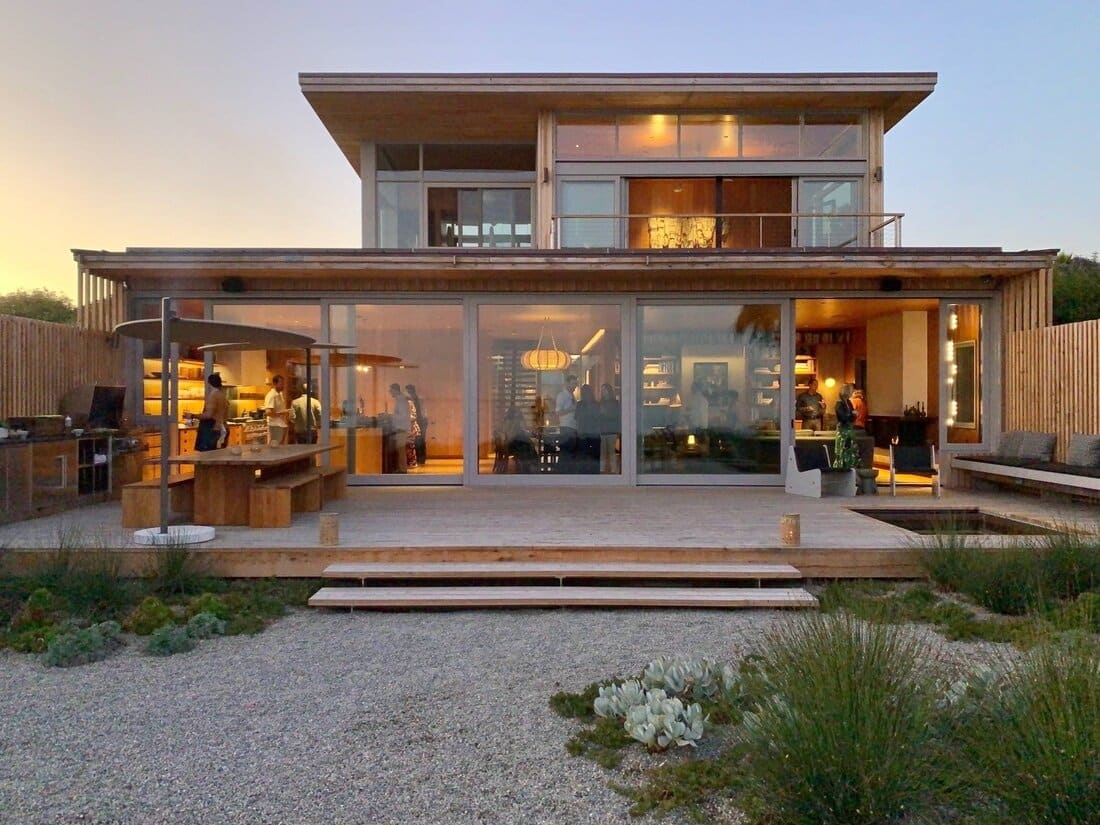
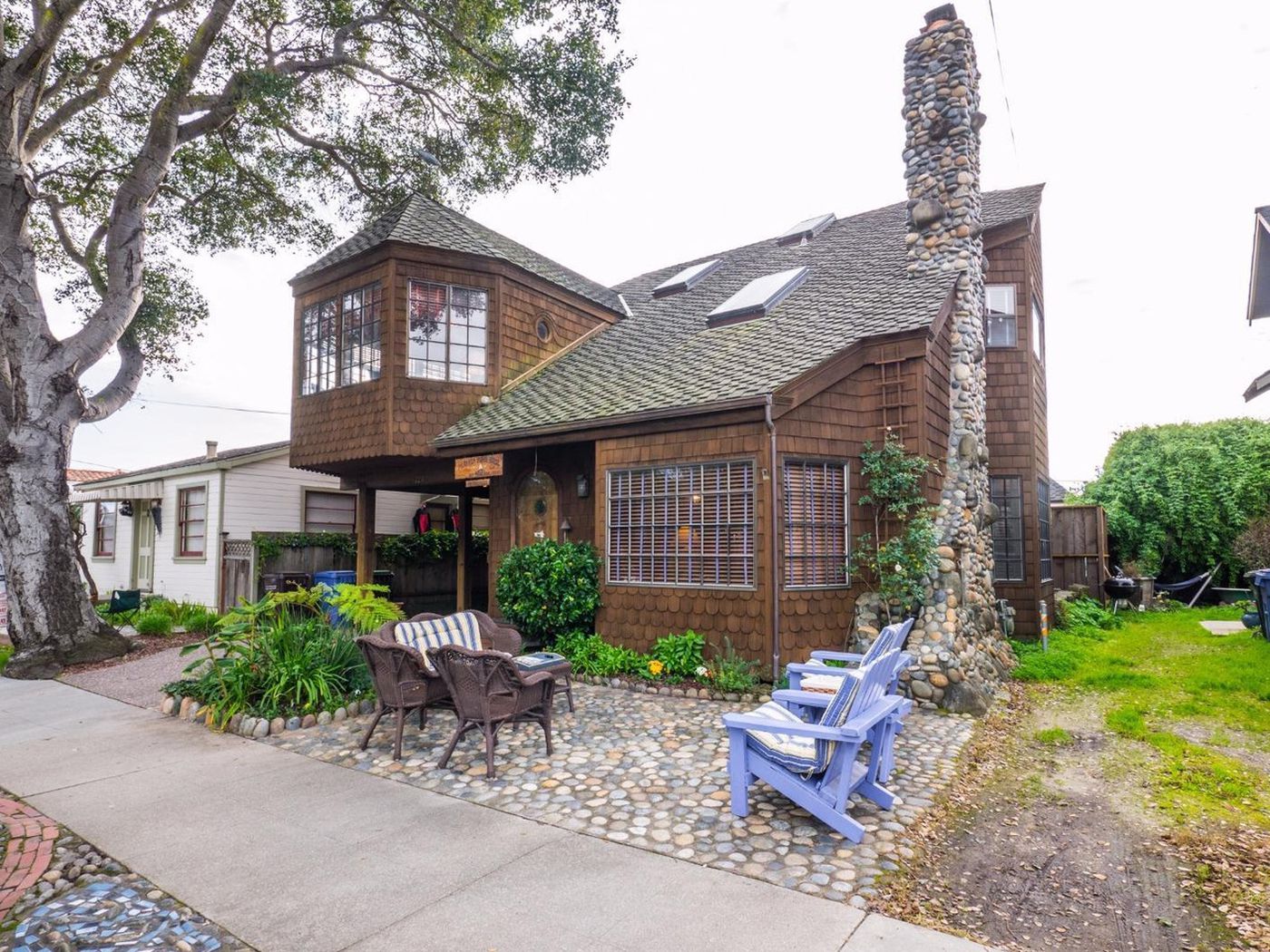
Perhaps the most iconic Santa Cruz home style is the coastal bungalow or multi-story house. Many of these homes were built during two main periods: the early 1900s and the post-World War II boom of the 1950s.

  • Early 20th-century homes often showcase Craftsman and cottage architecture, full of character and traditional details.

  • Mid-century homes lean toward ranch styles, offering functional layouts and simplicity.

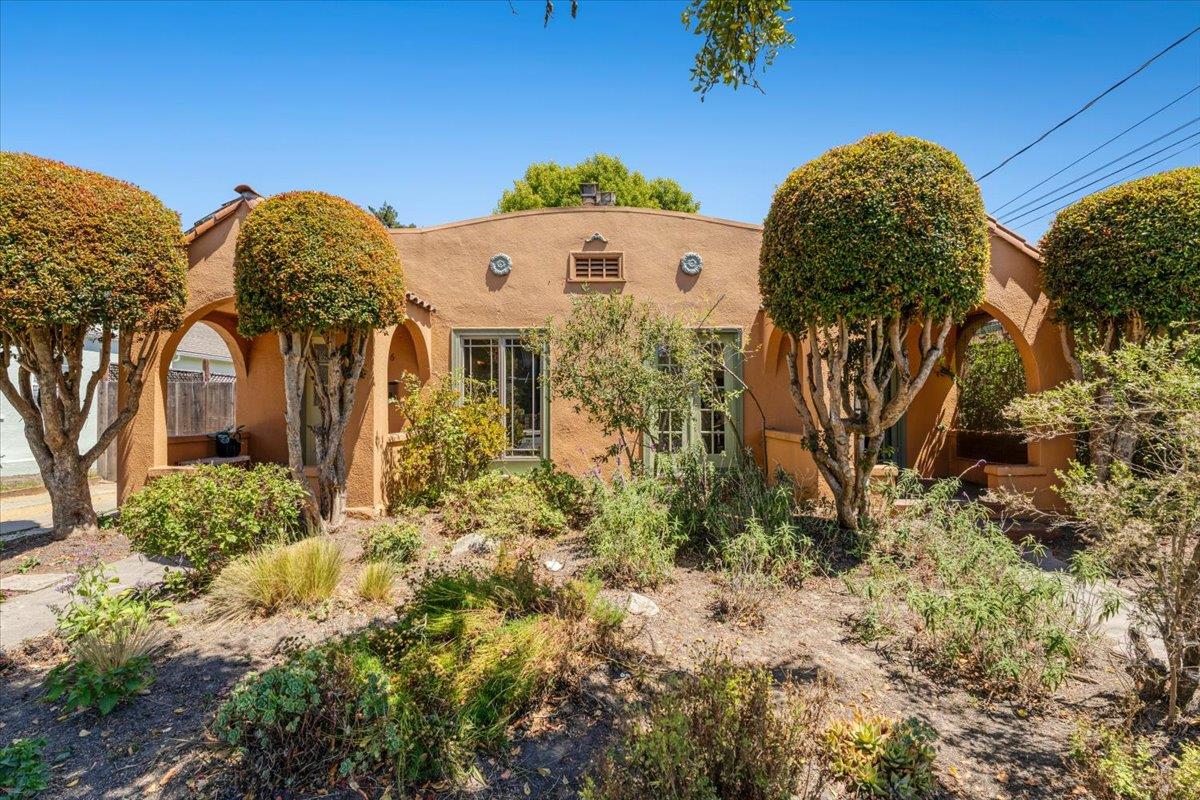
  • Mediterranean-style homes are also scattered throughout the city, especially in hilly areas.

Homes built from 1900 to 1920 tend to be concentrated near downtown or just across the river in the city’s oldest neighborhoods, where they are rarely available for sale. On the other hand, the market offers more options for homes built between 1940 and 1955, many of which may require some updating or renovations.

Historic Properties

Santa Cruz has several historic neighborhoods prized for their unique charm and prime locations near downtown, the beach, shopping, and dining. Neighborhoods like Downtown, Mission Hill, and parts of the Lower West Side feature stunning historic properties.

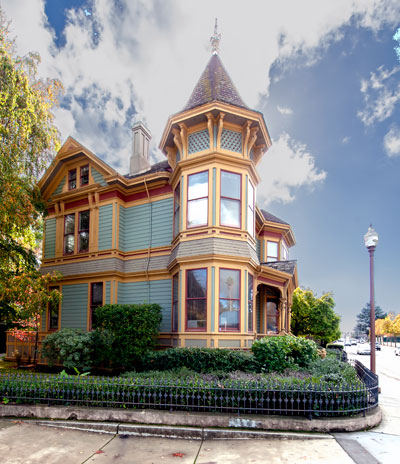
  • Walnut Avenue, part of the Downtown Historic District, is renowned for its exquisite preserved Victorian and Queen Anne houses, often adorned with bright, inviting colors.

  • This area also includes styles like Italianate and Gothic Revival, adding architectural variety for discerning buyers.

Modern and Contemporary Homes

Although less common, modern and contemporary homes offer fresh designs and updated features. Many buyers opt to purchase older homes and build custom new houses on the lots, especially in areas with larger properties.

  • Newer builds tend to be located east of the city center, where lot sizes allow greater flexibility.

  • Luxury neighborhoods like Lower West Side and West Cliff showcase some of the city’s finest contemporary homes, often close to the water.

Mediterranean-Style Homes

Mediterranean architecture also features prominently in Santa Cruz, particularly in the northern and northeastern hilly neighborhoods.

  • These homes tend to be larger, multi-story residences, blending indoor and outdoor living spaces perfectly.

  • Historic Mediterranean-style homes closer to downtown and the beach usually feature smaller footprints compared to suburban luxury estates.


Your Santa Cruz Home Awaits

Santa Cruz is a city that offers a wide range of single-family homes steeped in history and lifestyle, from cozy bungalows and historic masterpieces to modern custom designs. As a local Realtor deeply connected to this community, Brian Wellikson can help you find the right home that fits your vision and budget.

Whether you are drawn to the charm of historic neighborhoods or the appeal of contemporary waterfront living, the Santa Cruz market has options to explore, and having an expert by your side makes all the difference.

Feel free to reach out to me to start your search and discover your ideal Santa Cruz home today.

Brian Wellikson Coldwell Banker Realy

831-227-7561

Brian.Wellikson@CBRealty.com

BuyersSellers/Home Value November 5, 2025

Why Client First Agent Matters

In today’s real estate market, finding a Realtor in Santa Cruz County who truly puts you first can make all the difference in your buying or selling experience. A client-first approach isn’t just a nice-to-have—it’s a hallmark of top agents in Santa Cruz County who prioritize your needs, protect your interests, and guide you with integrity every step of the way.

Why Client-First Matters in Santa Cruz County

Real estate transactions in Santa Cruz County are among the most significant financial decisions many residents make, given the unique market dynamics and coastal desirability. A Realtor working with a client-first philosophy understands that your goals, budget, and comfort level shape every recommendation they provide. Instead of pushing deals to close quickly or maximizing commission, they focus on what’s best for you in the long term, ensuring you find the perfect home or secure the best value.

Honest Guidance Builds Trust in Local Market

One key element of a client-first Realtor in Santa Cruz County is honest and transparent communication tailored to this diverse market—from the beach towns to the mountains. These agents don’t just tell you what you want to hear—they provide candid advice based on local market realities and their expert assessment. This might mean advising against a tempting Santa Cruz beach cottage with hidden issues or steering you toward emerging neighborhoods with great growth potential.

Advocates Throughout Your Santa Cruz Journey

Serving as your advocate, a client-first Realtor in Santa Cruz County navigates negotiations with your best interests front and center. They fight for favorable terms, clear contingencies, and realistic expectations, protecting you through the often competitive market climate here. This advocacy reduces stress and prevents costly mistakes, giving you peace of mind knowing your agent truly has your back.

Meet Brian Wellikson: Your Client-First Santa Cruz Realtor

As a licensed Realtor with Coldwell Banker Realty, I, Brian Wellikson, embody this client-first approach in every transaction. With deep roots in Santa Cruz County and a passion for helping clients achieve their dreams, I prioritize your unique goals above all else. Whether you’re buying your first home or selling a cherished property, I provide honest guidance, expert negotiation, and personalized support tailored to your needs. Your satisfaction and success are my top priorities, and I’m committed to making your real estate journey smooth, transparent, and rewarding.

What It Looks Like in Practice in Santa Cruz County


  • Listening carefully to your priorities and tailoring property searches or marketing strategies to local neighborhoods like Westside Santa Cruz, Scotts Valley, or Capitola.

  • Explaining all options clearly with balanced pros and cons relevant to Santa Cruz’s market trends.

  • Being responsive to questions, neighborhood insights, and market shifts.

  • Guiding you through escrow, inspections, and local regulations smoothly.

  • Proactively addressing challenges unique to coastal California real estate.

Final Thoughts

Choosing a Realtor in Santa Cruz County with a genuine client-first approach is an investment in your real estate success and peace of mind. These trusted local experts help turn your vision into reality—whether it’s finding a dream home tucked among redwoods or selling for top dollar near the ocean—while ensuring you feel respected and empowered along the way.

If you’re ready to work with a Santa Cruz County Realtor who truly prioritizes you, reach out to me, Brian Wellikson at Coldwell Banker Realty, today. Let’s start a partnership grounded in integrity, local expertise, and a commitment to your best outcome. Your real estate journey in this beautiful coastal region deserves nothing less.

Buyers November 5, 2025

Step-by-Step Guide to Buying Your First Home in Santa Cruz County

Buying your first home in Santa Cruz County is an exciting adventure with many rewarding moments, but it can also feel overwhelming without a clear plan. This step-by-step guide will walk you through the essential stages of the home buying process—helping you navigate smoothly and confidently toward owning your dream home by the coast.


Step 1: Assess Your Financial Health

Begin by reviewing your finances closely. Check your credit score, take stock of savings for a down payment and closing costs, and outline your budget based on your monthly income and expenses. Santa Cruz County’s real estate market varies, so knowing what you can comfortably afford sets a strong foundation.​


Step 2: Get Mortgage Pre-Approval

Before house hunting, meet with a trusted lender to get pre-approved for a mortgage. This approval clarifies your price range and shows sellers you’re a serious buyer, providing an edge in this competitive market. Pre-approval also identifies any credit issues early, giving you time to fix them.​


Step 3: Partner With a Local Real Estate Agent

Connecting with a knowledgeable Santa Cruz County Realtor will make all the difference. They know the neighborhoods, schools, and current market trends and can tailor the search to your priorities. A trusted agent guides you from listing viewings through negotiations and closing, helping you avoid costly mistakes.​


Step 4: Explore Neighborhoods and Listings

Spend time visiting neighborhoods that fit your lifestyle—whether beachside Santa Cruz, quiet Scotts Valley, or redwood-surrounded Felton. Evaluate schools, commute times, local amenities, and future growth plans. Online listings and open houses give you a feel for available homes within your budget.​


Step 5: Make an Offer

Once you find a home that checks your boxes, your agent will help you craft a competitive offer considering recent comparable sales and seller motivations. The offer outlines price, contingencies (e.g., inspections, financing), and timelines. Be prepared for some negotiation to reach a mutually acceptable agreement.​


Step 6: Conduct Inspections and Review Disclosures

After your offer is accepted, schedule a professional home inspection promptly. This comprehensive review uncovers any needed repairs or safety issues. Review seller disclosures carefully, and use inspection reports as leverage for renegotiation if necessary. This step protects your investment.​


Step 7: Secure Your Financing and Close the Deal

Finalize your mortgage with the lender by submitting required documents and completing the underwriting process. During closing, you’ll sign paperwork, pay closing costs, and officially become a homeowner. Your agent and lender will guide you through the final steps to ensure a smooth transaction.​


Step 8: Move In and Enjoy Santa Cruz!

Congratulations! With keys in hand, it’s time to settle into your new Santa Cruz County home. Explore coastal trails, beaches, farmers markets, local restaurants, and community events. Becoming a homeowner here means embracing a lifestyle rich in nature, culture, and connection.​


Final Thoughts

Buying your first home in Santa Cruz County is more manageable with a clear roadmap and local expertise. Take each step methodically, ask plenty of questions, and partner with professionals who prioritize your goals. The breathtaking mountains, vibrant coastal towns, and friendly communities await your arrival.

Ready to begin your Santa Cruz home-buying journey? Reach out today for personalized guidance and expert support tailored to first-time buyers.


Buyers November 5, 2025

First-Time Home Buyer Mistakes to Avoid (and What to Do Instead)

Buying your first home is an exciting milestone, but it’s also a journey filled with important decisions and potential pitfalls. Many first-time homebuyers unknowingly make common mistakes that can lead to stress, unexpected costs, or missed opportunities. To help you navigate the process with confidence, here’s a guide to the most frequent first-time home buyer mistakes—and smart alternatives that put you on the path to success.


Mistake #1: Skipping Mortgage Pre-Approval

What Happens:
Many buyers start house hunting without first getting pre-approved, which means they don’t have a clear budget or a lender’s commitment. This can lead to disappointment when the dream home is out of financial reach or losing time during negotiations.

What to Do Instead:
Get pre-approved by a reputable lender before you start shopping. Pre-approval shows sellers you’re serious, helps define your price range, and streamlines the buying process. It also identifies any credit issues early on so you can address them.​


Mistake #2: Overlooking Hidden Costs

What Happens:
Many first-timers focus solely on the listing price and monthly mortgage payment, only to be surprised by closing costs, insurance, property taxes, HOA fees, and maintenance expenses.

What to Do Instead:
Create a comprehensive budget including all these additional expenses. Ask your agent to help you estimate closing costs and ongoing fees. Planning ahead ensures you won’t be financially stretched once you move in.​


Mistake #3: Neglecting a Professional Home Inspection

What Happens:
Waiving or rushing the home inspection to win a bidding war can lead to costly repairs down the road or undiscovered problems that affect safety and value.

What to Do Instead:
Always hire a qualified home inspector for a thorough evaluation. Use the inspection report to negotiate repairs or price adjustments, and avoid surprises after closing.​


Mistake #4: Ignoring Location and Future Growth

What Happens:
Falling in love with a home’s cosmetic appeal without researching the neighborhood can result in living somewhere that doesn’t fit your lifestyle or depreciates in value.

What to Do Instead:
Spend time exploring neighborhoods, schools, commute times, and community amenities. Consider future development plans in the area to ensure your investment grows and your quality of life thrives.​


Mistake #5: Not Relying on a Trusted Real Estate Agent

What Happens:
Trying to navigate the market alone can leave first-timers overwhelmed and vulnerable to making poor decisions or missing out on great homes.

What to Do Instead:
Partner with a local Realtor who understands your market, listens to your needs, and guides you through every step. Their experience can save you time, money, and stress.​


Final Takeaway

First-time home buying doesn’t have to be daunting. Avoid these common mistakes by planning thoroughly, leaning on professionals, and staying informed. With the right approach, you’ll confidently navigate the process and find a home that fits your needs and budget.

Ready to start your home buying journey in Santa Cruz? Contact me for personalized advice and expert support every step of the way.

Living In Santa Cruz November 5, 2025

Ben Lomond vs. Felton: Which Mountain Town Fits You?

Ben Lomond vs. Felton: Which Mountain Town Fits You?

The Santa Cruz Mountains are home to charming communities that offer serenity, natural beauty, and a slower pace of life—perfect for those seeking refuge from the hustle and bustle. Among these, Ben Lomond and Felton stand out as popular choices for families, outdoor enthusiasts, and anyone looking to embrace mountain living. But which town is the best fit for you? Let’s explore the unique characteristics of each community to help you decide.


Ben Lomond: An Idyllic Mountain Retreat

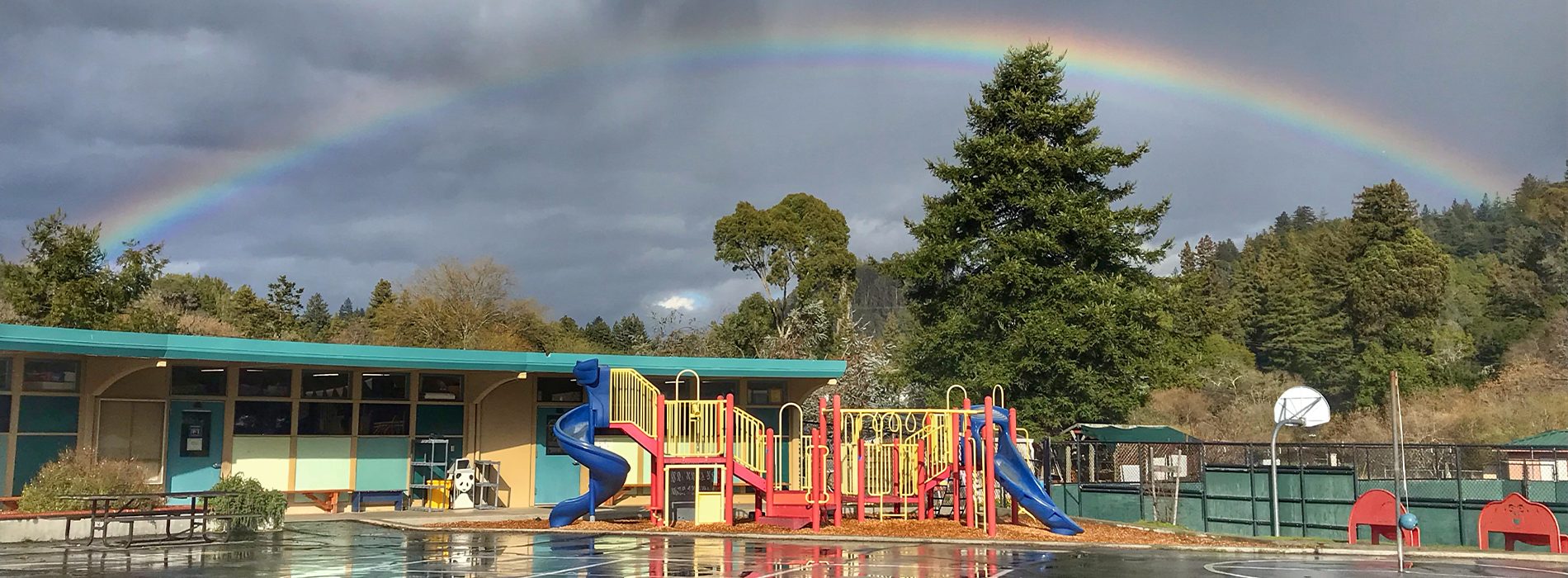
Nestled on the southeastern edge of the Santa Cruz Mountains, Ben Lomond exudes a cozy, rustic vibe. Known for its lush forests, charming cabins, and artistic community, it’s a haven for those seeking tranquility and a close connection to nature.​

Community and Lifestyle:
Ben Lomond’s small population fosters a tight-knit atmosphere where neighbors know each other by name. The town boasts a mix of historic cabins and newer homes, many of which are immersed in towering redwoods and mature gardens. It attracts individuals who love outdoor activities like hiking, mountain biking, and birdwatching, with Big Trees State Park nearby providing endless exploration opportunities.

Amenities and Conveniences:
While it’s more remote, Ben Lomond offers essential services — local markets, cafes, and a few shops—meaning residents enjoy a peaceful lifestyle without sacrificing basic needs. The community hosts seasonal events and farmers’ markets that highlight its rural charm.

Real Estate:
Homes tend to be quaint and standalone, often with large lots perfect for gardening or additional structures. Prices reflect its desirability as a retreat—generally more affordable than other Santa Cruz area options, but with limited inventory due to high demand for mountain homes.​


Felton: The Garden of the Mountains

Just a few miles northwest of Ben Lomond, Felton is famed for its lush landscapes and vibrant historic districts. This town boasts a blend of rural charm and accessibility, making it ideal for those who want the tranquility of mountain living with modern conveniences nearby.​

Community and Lifestyle:
Felton has a more developed community core with local cafes, boutique shops, and a quaint downtown area. It’s known for its friendly atmosphere, eclectic arts scene, and access to outdoor recreation—including the popular Henry Cowell Redwoods State Park and San Lorenzo River.

Amenities and Conveniences:
Living in Felton means enjoying a variety of amenities: grocery stores, schools, and community centers—all within a short drive. The town also hosts annual events like the Felton Fun Day and Apple Festival, which strengthen community bonds and celebrate local heritage.

Real Estate:
Felton’s housing options range from rustic cabins to updated ranch-style homes and new builds. The real estate market is competitive, reflected in higher prices than Ben Lomond but still more affordable compared to Santa Cruz proper.​


Which Mountain Town Fits You?

Choose Ben Lomond if:

  • You crave a secluded, artistically-inclined community surrounded by towering redwoods.

  • Your ideal lifestyle involves outdoor adventures right outside your door.

  • You prefer a quiet, affordable retreat with a slower pace.

Choose Felton if:

  • You want a vibrant mountain town with a strong sense of community and local events.

  • Your priority is easy access to amenities, schools, and outdoor parks.

  • You appreciate a mix of rural charm with suburban comforts.


Final Thoughts

Both Ben Lomond and Felton offer exceptional mountain living, each with its own personality and appeal. Whether you desire a peaceful hideaway immersed in nature or a lively community with easy access to services and outdoor activities, these towns can enrich your lifestyle and provide a welcoming hometown feel.

Thinking about a move to one of Santa Cruz’s mountain communities? Reach out today for expert guidance tailored to your mountain living dreams.

Living In Santa Cruz November 5, 2025

The Ultimate Relocation Guide to Santa Cruz County (Schools, Commutes, Vibes)

Living in Santa Cruz County offers a unique blend of coastal charm, community spirit, and easy access to nature, making it a sought-after destination for families, professionals, and anyone looking for an exceptional quality of life. This ultimate relocation guide will help you explore the top schools, commute realities, and the vibrant vibes that define Santa Cruz County, so you can make the best move for your family and lifestyle.

Schools: Quality Education Across the County

Santa Cruz County is home to several highly rated public school districts, known for their commitment to student success, community engagement, and diverse learning opportunities. The Santa Cruz City High School District leads in overall performance with an “A” rating on Niche, offering a range of elementary, middle, and high schools renowned for dedicated teachers and supportive environments. Scotts Valley Unified School District also ranks highly, praised for smaller community schools where parents and students feel closely connected.

For families looking beyond urban centers, the San Lorenzo Valley Unified School District provides solid education amid scenic, forested surroundings, blending community values with academic rigor. In total, the county serves approximately 38,000 students, with many schools prioritizing inclusive culture and extracurricular activities for well-rounded development.

Top 3 Elementary Schools in Santa Cruz County (2025)

  1. Happy Valley Elementary School (Santa Cruz)

    • Overall Niche Grade: A, GreatSchools Rating: 10/10

    • Known for small class sizes, strong academics, and a supportive community environment that consistently ranks it as the county’s best elementary school.​

  2. Ocean Grove Charter School (Boulder Creek)

    • Overall Niche Grade: A

    • A highly rated public charter school offering personalized learning, strong parental involvement, and excellent academic performance.​

  3. Loma Prieta Elementary School (Near Scotts Valley)

    • Overall Niche Grade: A

Praised for excellent student-teacher ratios and a strong foundation in core subjects, making it a top choice for families in the north county areas.​

Top 2 High Schools in Santa Cruz County (2025)

  1. Pacific Collegiate Charter (Santa Cruz)

    • Overall Niche Grade: A, Top 10% rank statewide

    • Known for its college preparatory curriculum, small class sizes, and a focus on critical thinking and leadership development.​

  2. Harbor High School (Santa Cruz)

    • Highly rated public high school with diverse extracurriculars and a strong focus on student success and college readiness, frequently earning high marks from parents and students.​

Commutes: Balancing Convenience and Coastal Living

Santa Cruz County’s geography means commute times vary depending on where you live and work, but many residents enjoy shorter or comparable commute durations than similar Bay Area locations. Typical drives within the county range from 10 to 30 minutes, whether commuting between Santa Cruz, Scotts Valley, or nearby beach towns like Capitola and Aptos. This makes daily errands, school runs, and local outings practical and convenient for most families.

For professionals commuting to Silicon Valley or other Bay Area hubs, commute times are naturally longer, typically ranging between 45 minutes to over an hour during peak traffic. However, an interesting insight from local residents is that those living in Scotts Valley—although further north in Santa Cruz County—often report commute times to Silicon Valley on par with or even better than those living in parts of San Jose itself. Despite similar travel durations, Scotts Valley residents enjoy the substantial lifestyle benefit of being just minutes from the beach, forest trails, and outdoor recreation. This proximity to natural beauty offers a considerable quality-of-life advantage that many Bay Area commutes lack.

Many commuters strike a balance by adopting flexible work arrangements, including remote work or staggered hours, which help reduce stress and optimize work/life harmony. The scenic drives through redwoods or along the coast provide a calming start and end to the day that contrasts sharply with the more urban congestion in other parts of the Bay Area.

In summary, the mix of manageable commute times and unparalleled access to world-class outdoor activities makes Santa Cruz County, and especially Scotts Valley, an appealing option for professionals seeking both career opportunities and coastal living.

Santa Cruz, California, USA –  This amusement park, the Boardwalk in Santa Cruz is world famous for the rides,the games,the beach,the ocean and just plan entertainment. The many people are enjoying the beach, the boardwalk and the rides and on this day it was beautiful.

Vibes: The Spirit of Santa Cruz County

Santa Cruz County neighborhoods vary widely in style and cultural vibe—from the eclectic, artistic energy of downtown Santa Cruz with its surf culture and farmers markets, to the tranquil redwood-shrouded communities of Felton and Boulder Creek. Coastal towns like Capitola offer vibrant beach lifestyles with community events, while inland neighborhoods provide space, privacy, and a strong connection to nature.

The overall vibe is laid-back, inclusive, and health-conscious, with an emphasis on outdoor activities like hiking, surfing, biking, and organic living. Locals describe Santa Cruz as a place where creativity meets community, and where neighbors genuinely care, making it easier to build lifelong friendships.​


Santa Cruz County blends excellent education, manageable commutes, and rich cultural vibes into a relocation destination that captures both hearts and minds. Whether you seek the buzz of a beachside city or the serenity of mountain towns, Santa Cruz invites you to call it home with open arms.

For tailored guidance on neighborhoods, schools, and lifestyle fit, feel free to reach out—let’s find the perfect Santa Cruz community for you and your family to thrive.